October 2, 2026 · Panamá · 5 min read
How to Buy Property in Panama From Abroad
Buying property in Panama while living abroad is possible. Here is how to approach the search, legal review, remote paperwork and closing with greater clarity.
October 2, 2026 · Panamá · 5 min read
Buying property in Panama while living abroad is possible. Here is how to approach the search, legal review, remote paperwork and closing with greater clarity.
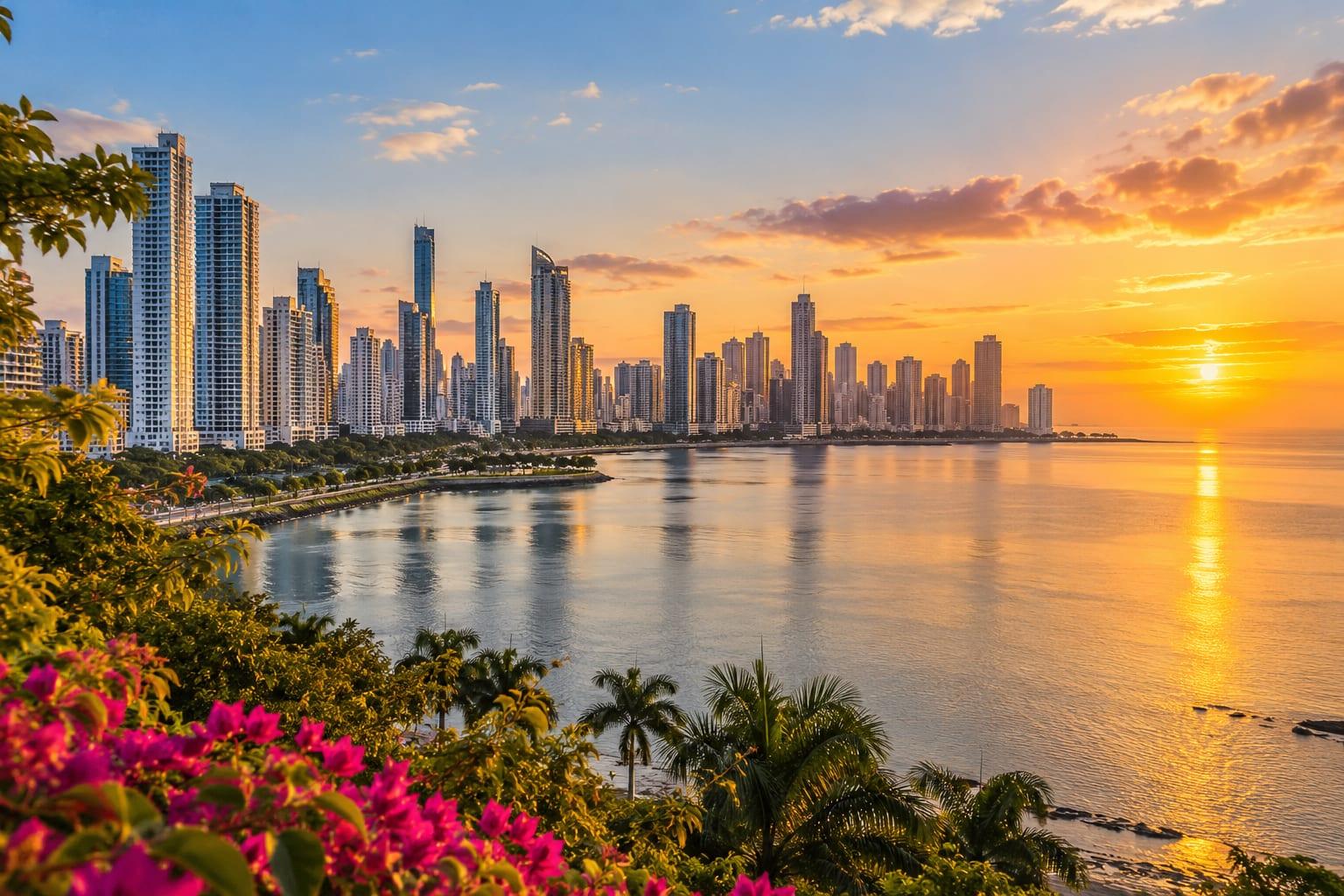
You can buy property in Panama while living abroad, but a successful process requires planning, document verification and dependable local professionals. Whether you are considering a second home, a long-term holding or a future move, I recommend understanding the steps before transferring funds or signing a binding commitment. You do not need to make every decision during one short visit. A thoughtful search can begin wherever you are.
In general, foreign individuals can acquire titled real estate in Panama, although restrictions and special situations may apply depending on location and the legal nature of the land. Not every property follows the same purchase process. Titled real estate, possessory rights and units under construction require different reviews.
Before proceeding, ask an independent Panamanian attorney to confirm ownership, applicable restrictions and the appropriate structure for your transaction. Being abroad makes this verification more important, not less.
A useful search begins with a few practical questions. Do you plan to use the home personally, hold it over time or explore potential rental use? Are you focused on Panama City or comparing other areas? What is your purchase budget, including expenses beyond the listing price?
I suggest creating a short checklist:
Consider remote ownership as well. Building fees, maintenance, services and ongoing management may matter just as much as the asking price.
Property details, floor plans, photographs, video tours and virtual meetings can help you build an initial shortlist. They are useful screening tools, not substitutes for an inspection or legal due diligence.
When helping someone search from another country, I like to compare options using consistent criteria: location, layout, condition, recurring costs and available documentation. A polished video cannot tell you everything about deferred repairs or monthly ownership expenses.
If you cannot travel, consider arranging an independent technical inspection and having a trusted local representative verify the physical condition. For new developments, request information about the developer, contract terms, specifications and projected completion schedule. Treat projected delivery dates as estimates, not guarantees.
You can also explore my Panama real estate page as a starting point.
This is a critical stage. An independent local attorney should review the registry information, verify the seller's authority and investigate mortgages, liens, recorded notices or other relevant issues. Your attorney should also explain any promise-to-purchase agreement, deadlines, exit provisions and the obligations of each party.
Depending on the transaction, requested documentation may include:
Exact requirements vary by property, parties and institutions involved. Ask for an explanation of every document before signing, particularly when managing the process across languages or jurisdictions.
Some purchases can be arranged through a power of attorney granted to a representative, subject to applicable formalities and institutional acceptance. Do not assume an electronic signature or an informally drafted authorization will work for every stage.
Ask your attorney whether notarization, an apostille, legalization, translation or original documents will be necessary. Clarify who may act on your behalf, exactly which actions are authorized and what limits apply.
Before wiring money, independently verify recipient details and the agreed mechanism for holding or disbursing funds. Do not rely exclusively on instructions contained in an unexpected message. Coordinate international transfer procedures and timing with your bank.
The purchase may involve legal fees, notarial and registration costs, banking expenses, taxes or other transaction charges. How these obligations are allocated depends on applicable rules and the valid terms agreed by the parties. A Panamanian attorney and accountant can help you develop an up-to-date estimate.
For an apartment, review regular building fees, possible special assessments, insurance and condominium rules. If rental use is part of your plan, verify the applicable rules before projecting income. Financial results are never guaranteed.
You should also consider exchange-rate exposure and any reporting or tax responsibilities in your country of residence. Cross-border ownership can create obligations in more than one jurisdiction.
While each purchase is different, the process often moves from property selection and negotiation to legal review, formal agreements, payment coordination and the execution and registration of the relevant documents.
Do not mistake a preliminary signature for completion of every legal step. Your attorney should confirm what has been signed, what still needs to be registered and when the transfer is considered complete in your particular case. If the property is occupied or sold furnished, record the agreed delivery conditions and inventory in writing.
After closing, arrange access, utilities, building-management contacts and secure storage of your documents. These practical details become especially valuable when you do not live in Panama.
Distance makes organization essential. Avoid making a decision based only on photos, sending deposits without verifying payment instructions, overlooking recurring expenses or relying on rental projections without examining their assumptions.
Another avoidable mistake is bringing in legal counsel too late. Ideally, your attorney should become involved before you accept significant contractual obligations.
There is no need to rush solely because a listing describes an opportunity as limited. Request verifiable information, compare alternatives and set a realistic decision timeline.
My role is to help you organize the search, ask the right questions and coordinate next steps with the appropriate professionals. Your decision should rest on clear information about the property, its documents and its costs.
If you are considering a purchase in Panama from New York or anywhere else, feel free to reach out. I would be happy to discuss your goals and how to begin a well-organized remote property search.
This article provides general information and is not a substitute for individualized legal, tax, financial or banking advice.

Contact
New York or Panama, let's start the conversation.