October 7, 2026 · New York · 3 min read
Buying in New York: Costs to Plan for Beyond the Purchase Price
The down payment is only part of your budget. Understand closing costs, remaining cash to close and monthly expenses before buying in NYC.
October 7, 2026 · New York · 3 min read
The down payment is only part of your budget. Understand closing costs, remaining cash to close and monthly expenses before buying in NYC.
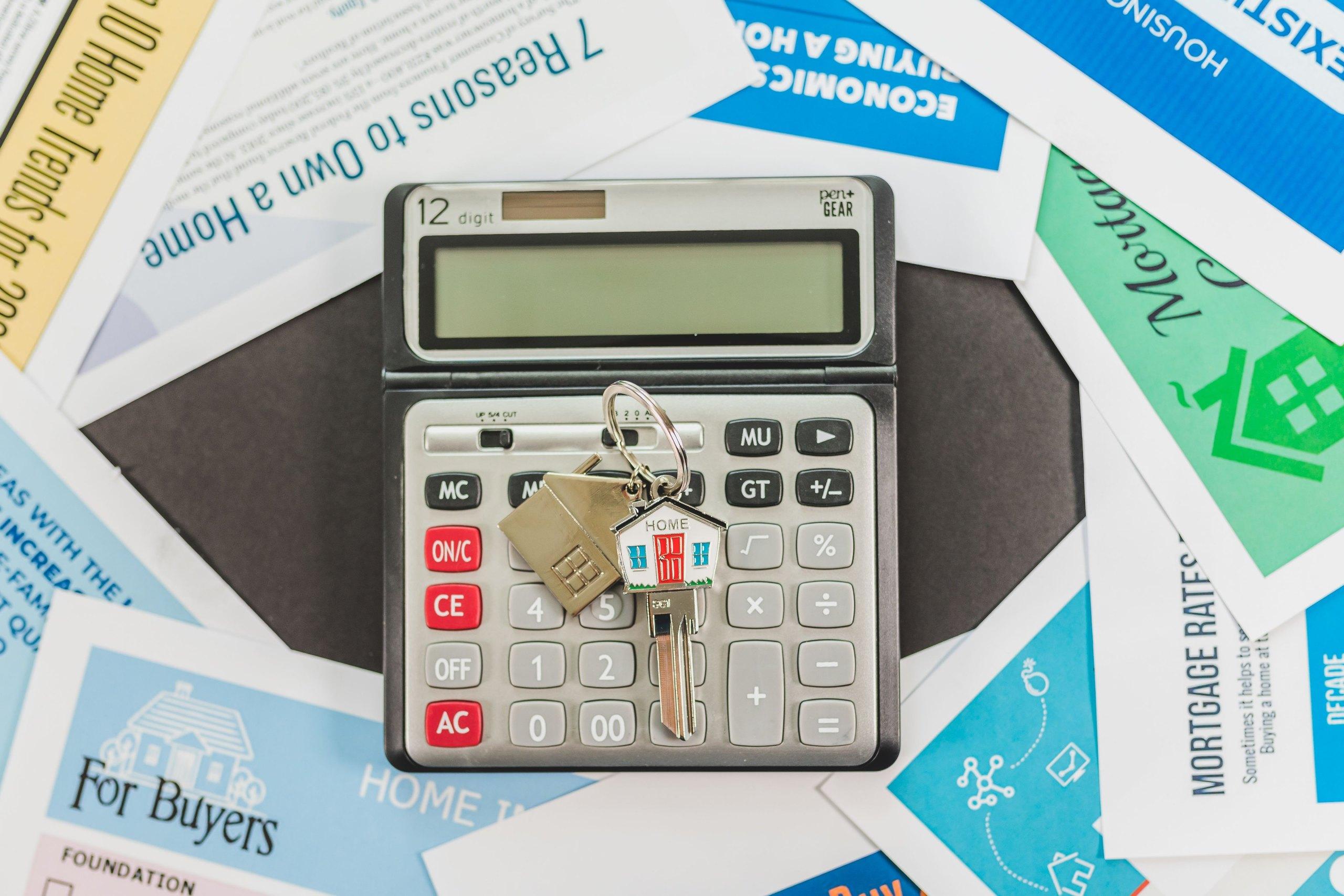
An apartment's price is the number that attracts the most attention. But to decide whether a purchase fits your plans, you need to answer another question: how much money must you have available beyond the loan, and what will it cost to live there each month?
Before making an offer in New York, divide your budget into three parts: money to complete the purchase, monthly expenses and savings you will keep afterward. This separation helps you compare properties with a fuller picture.
The down payment is the portion of the price you cover with your own funds. Its amount depends on financing and the transaction's requirements. Do not assume that one percentage works for every property or buyer.
Illustrative example: on an $800,000 purchase with an agreed 20% down payment, that portion is $160,000. This does not mean $160,000 is everything needed to buy. You still need to calculate closing costs and the savings you want to keep. This example is neither a quote nor a universal requirement.
Depending on the property and loan, costs may include legal fees, lender charges, an appraisal, title or recording costs, taxes and payment adjustments. Request a transaction-specific budget from your attorney and lender. Ask about applicable building charges and any agreed representation fees as well.
A cash purchase and a financed purchase do not involve all the same items. Nor should you automatically apply a condo budget to a co-op. Review each charge, who pays it and when it is due.
New York State applies an additional tax commonly called the mansion tax at 1% for residential purchases of $1 million or more. NYC also has a supplemental tax starting at $2 million, with rates varying by price. Your attorney should confirm what applies to your transaction and how the contract addresses it.
Approaching a price threshold is therefore a reason to review the full budget. Avoid assuming that closing costs will always be a fixed percentage of the apartment's value.
If you finance, review Estimated Cash to Close on your Loan Estimate. It includes the down payment and closing costs, subtracting deposits already paid, agreed credits and other adjustments. A contract deposit applied toward the price should not be counted again as an additional expense.
Before closing, compare your Closing Disclosure with the earlier estimate and ask about differences. Track payments already made and confirm which charges are paid outside closing. This helps distinguish the overall purchase cost from what you still need to bring that day.
In addition to the mortgage, review taxes, insurance and the building's maintenance or common charges. Confirm which items are already included so you do not double-count them. Ask about current or planned special assessments and the building information your attorney needs to review.
Monthly costs should fit your life, not simply a lender's approved limit. Include moving, utilities and potential repairs in your planning as well.
Savings you choose to keep are separate from closing costs. They are not necessarily money you will spend: they provide a cushion and may form part of reserves you need to demonstrate. Ask whether the lender or building requires post-purchase reserves.
Before moving forward, request a worksheet with four figures: down payment, estimated costs, remaining cash to close and monthly expenses. As your agent, I can help compare options using those figures while your attorney and lender confirm the transaction's details.
Reviewed October 6, 2026.
Illustrative photograph: RDNE Stock project / Pexels. View original photograph.

Contact
New York or Panama, let's start the conversation.